
 火星网校
火星网校
6 Tips for Designing AR and VR Games
发布时间:2024-04-20 10:10:10 浏览量:234次
Editor's Note
This article is sourced from an overseas game design blog, authorized and translated by an unnamed individual.
Introduction
Designing AR and VR games is similar to designing other games, but the key differences lie in scale, user interaction, and space.
Here are six valuable suggestions for designing AR/VR games:
Think Realistically about Size
Designing for AR/VR impacts various aspects of game design. The performance on devices affects level design, system design, and interaction design. It is crucial not to ignore this element.
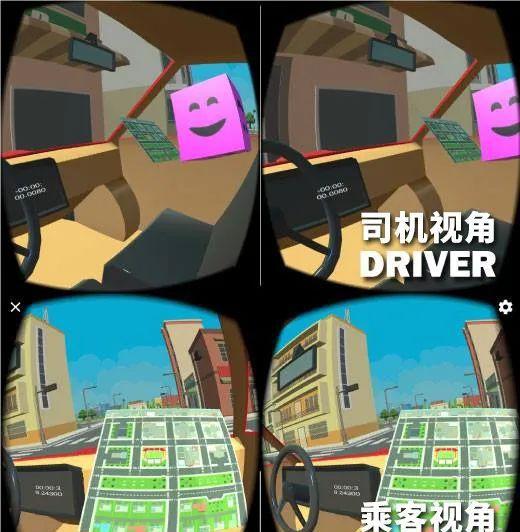
Simplify Interaction
Objects should provide feedback to the player's input, clearly indicating interactive elements. Color-coding objects can help in distinguishing dynamic and static elements.
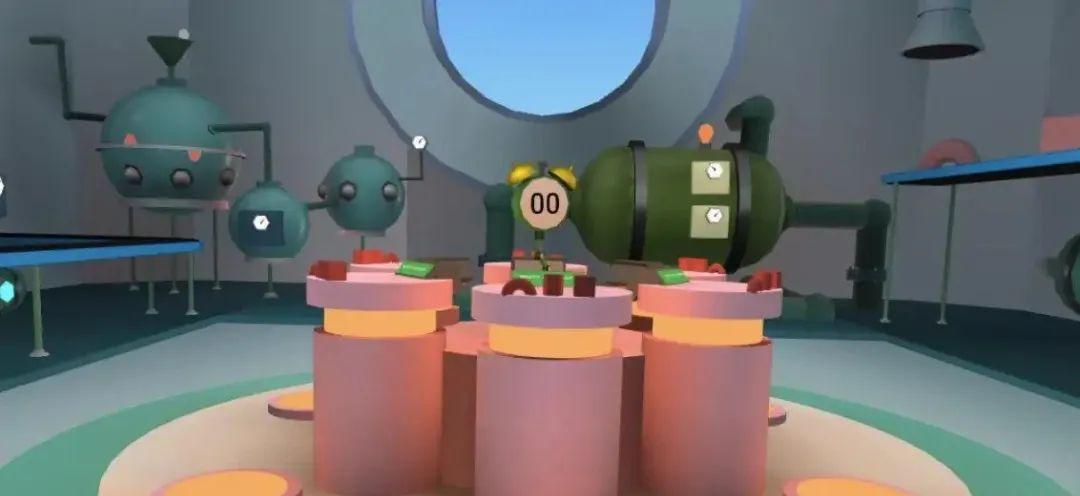
Establish Spatial Awareness
Designing spaces that reflect real-world proportions is crucial. Larger spaces require more dynamic elements for interaction.
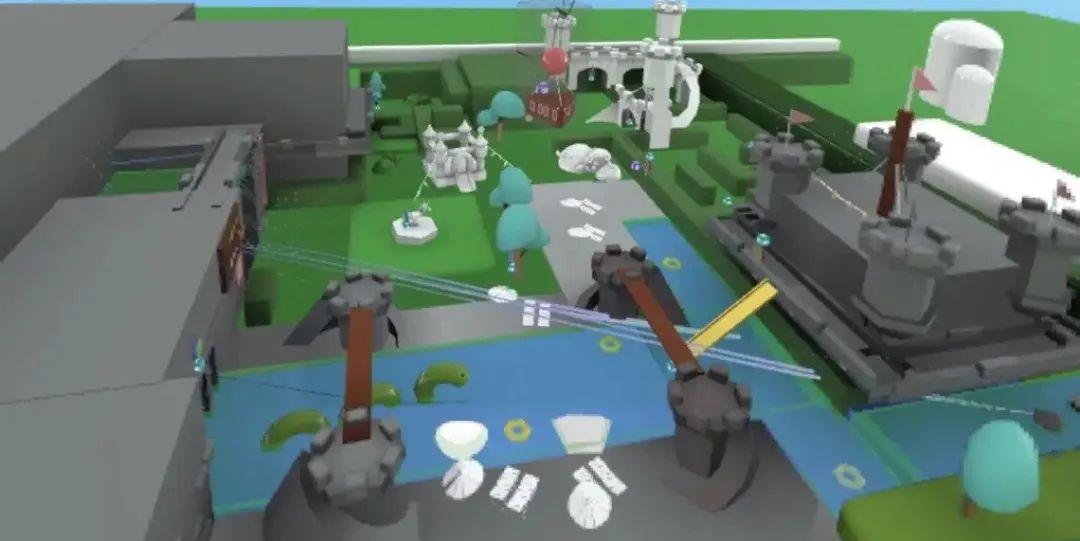
Consider Player's Real-Life Context
Factors like where players will engage with the game, expected duration of gameplay, and hardware limitations should be taken into account.
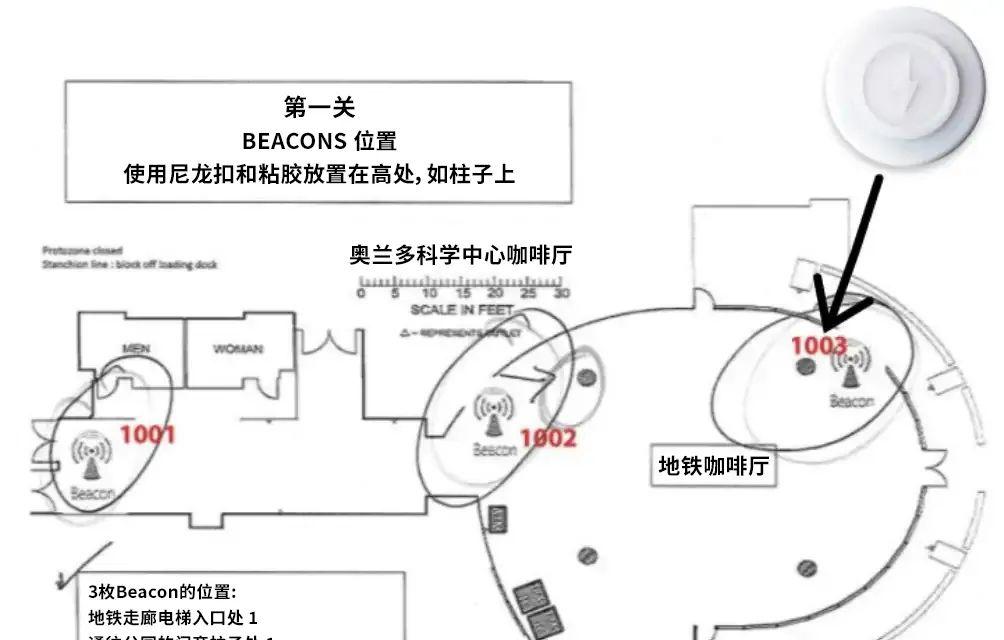
Offer Information Thoughtfully
Ensure that information essential for gameplay is prominently displayed on the screen while keeping game mechanics information integrated within the game world.
Draw Inspiration from the Real World
Do not hesitate to draw inspiration from experiences outside AR or VR platforms. Real-world experiences can greatly influence game design decisions
If you have more suggestions for designing AR or VR games, share your thoughts!
Original Source: Click here to view the original article
*The opinions expressed in this article are solely those of the author and do not represent our company's stance. Reproduction without authorization is prohibited.



热门课程推荐
热门资讯
-
探讨游戏引擎的文章,介绍了10款游戏引擎及其代表作品,涵盖了RAGE Engine、Naughty Dog Game Engine、The Dead Engine、Cry Engine、Avalanche Engine、Anvil Engine、IW Engine、Frostbite Engine、Creation引擎、Unreal Engine等引擎。借此分析引出了游戏设计领域和数字艺术教育的重要性,欢迎点击咨询报名。
-
2. 手机游戏如何开发(如何制作传奇手游,都需要准备些什么?)
如何制作传奇手游,都需要准备些什么?提到传奇手游相信大家都不陌生,他是许多80、90后的回忆;从起初的端游到现在的手游,说明时代在进步游戏在更新,更趋于方便化移动化。而如果我们想要制作一款传奇手游的
-
3. B站视频剪辑软件「必剪」:免费、炫酷特效,小白必备工具
B站视频剪辑软件「必剪」,完全免费、一键制作炫酷特效,适合新手小白。快来试试!
-
三昧动漫对于著名ARPG游戏《巫师》系列,最近CD Projekt 的高层回应并不会推出《巫师4》。因为《巫师》系列在策划的时候一直定位在“三部曲”的故事框架,所以在游戏的出品上不可能出现《巫师4》
-
游戏中玩家将面临武侠人生的挣扎抉择,战或降?杀或放?每个抉定都将触发更多爱恨纠葛的精彩奇遇。《天命奇御》具有多线剧情多结局,不限主线发展,高自由...
-
6. 3D动画软件你知道几个?3ds Max、Blender、Maya、Houdini大比拼
当提到3D动画软件或动画工具时,指的是数字内容创建工具。它是用于造型、建模以及绘制3D美术动画的软件程序。但是,在3D动画软件中还包含了其他类型的...
-
想让你的3D打印模型更坚固?不妨尝试一下Cura参数设置和设计技巧,让你轻松掌握!
-
众所周知,虚幻引擎5(下面简称UE5)特别占用存储空间,仅一个版本安装好的文件就有60G,这还不包括我们在使用时保存的工程文件和随之产生的缓存文件。而...
-
9. Bigtime加密游戏经济体系揭秘,不同玩家角色的经济活动
Bigtime加密游戏经济模型分析,探讨游戏经济特点,帮助玩家更全面了解这款GameFi产品。
-
10. 3D动漫建模全过程,不是一般人能学的会的,会的多不是人?
步骤01:面部,颈部,身体在一起这次我不准备设计图片,我从雕刻进入。这一次,它将是一种纯粹关注建模而非整体绘画的形式。像往常一样,我从Sphere创建它...
最新文章
